Families among fastest growing groups experiencing homelessness, few resources in Oregon
PORTLAND, Ore. (KPTV) – Families with children are one of the fastest-growing groups experiencing homelessness in the U.S., according to the latest federal data.
A report from the U.S. Department of Housing and Urban Development (HUD) found that between 2023 and 2024, family homelessness increased by 39% nationwide—the largest single-year increase of any demographic.
In Oregon, the trend is even more severe, with experts warning that shelters and assistance programs are struggling to meet growing demand.
Jacen Greene, assistant director of Portland State University’s Homelessness Research Action and Collaborative, has been involved in the Tri-County Point-in-Time Count, which tracks homelessness in Multnomah, Washington, and Clackamas counties. Point-in-time counts are part of federal guidelines for tracking homelessness nationwide. Greene says the worsening housing crisis in Oregon is disproportionately affecting families.
“We know we’re seeing the effects of a huge housing shortage here in Oregon,” Greene said. “We have a critical lack of affordable and available housing units. And as housing prices go up, as rent goes up, we’re seeing more and more families and youth who are being pushed into homelessness as a result.”
SEE ALSO:
Greene notes that families spending 30% or more of their income on rent are particularly vulnerable. Additionally, the expiration of pandemic-era federal aid programs that once helped prevent homelessness has exacerbated the crisis.
“I think what we’re seeing is the end of all this pandemic-era support that was going to families, that was going to prevent and address homelessness,” Greene said. “A lot of this federal aid has expired.”
According to HUD data, the number of people in families experiencing homelessness in Oregon surged by 124% from 2021 to 2023, increasing from 1,734 to 3,900 during that period.
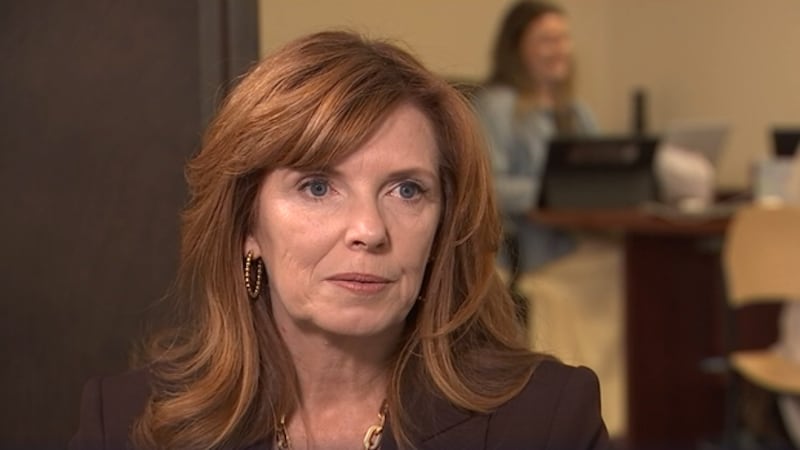
Brandi Tuck, director of Path Home, one of the few family-oriented shelters in Multnomah County, says there are only three shelters in the county specifically for families with children, despite the state ranking first in the nation for the number of unsheltered homeless families.
“The need is great,” Tuck said. “Path Home serves up to 600 families per year through shelter space and rent assistance programs to prevent evictions.”
In Multnomah County, the Joint Office of Homeless Services’ budget for the 2025 fiscal year is about $395 million, but only 6% of that spending goes towards specific programs for struggling families.
Tuck adds that most families her organization assists have at least one working parent but can barely keep up with expenses.
“The majority of the families that we serve do work,” she said. “They’re employed even while they’re here in shelter. They just make such little money that they can’t make ends meet. They don’t get any paid time off.”
Tuck also warns that childhood homelessness has long-term consequences, particularly for young children under the age of five. She says references studies which show that experiencing homelessness at a young age increases the likelihood of adverse health outcomes such as heart disease and chronic obstructive pulmonary disease (COPD) later in life.
Greene and his team say Oregon has a long way to go to meet the current housing demands that will ultimately make a difference.
“Right now in the state of Oregon, we estimate that roughly 100,000 housing units are needed across the state right now,” he said. “And about 50,000 of those for households that are experiencing homelessness, some kind of homelessness where they’re doubled up or in a shelter or unsheltered.”
Copyright 2025 KPTV-KPDX. All rights reserved.