Grandmother strikes back when she is targeted in scam
(Aging Untold) — Scammers who know how precious grandchildren are to grandparents are targeting older adults with threats about an emergency involving the victim’s grandchild.
Crysta Willis was shocked by what the man who called her said, but then she fought back.
“He says, ‘I’m the deputy somebody and your grandson was in an accident. He’s at fault and you need to pay his bond for him to get out’,” she said.
The caller instructed her to immediately wire $5,000 to keep her grandson from being held in jail all weekend.
How the scam works
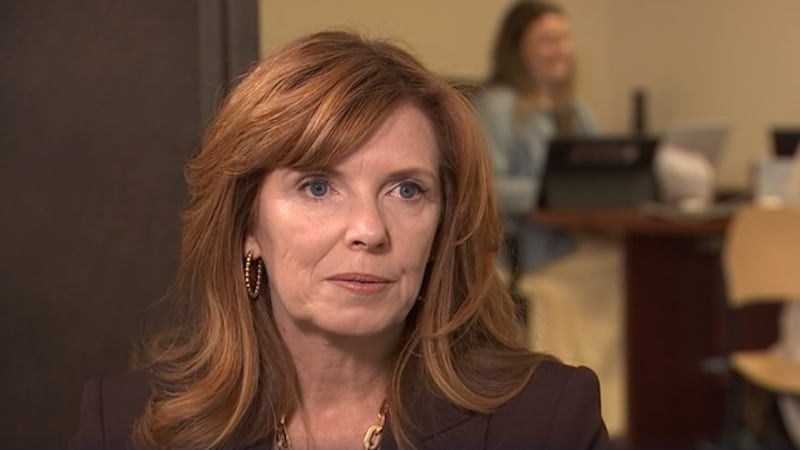
Susan Licate, of the FBI’s Cleveland office, said criminals use a playbook after connecting by text or phone with a sympathetic grandparent who is compelled to help when they think their loved one is in trouble.
“Maybe they’re arrested, maybe they’ve been in an accident or perhaps stranded on the side of the road and need money, and they need money now. And that’s when the scam starts,” Licate said about the story the scammer will tell.
Grandmother fights back
But the scammer was going after the wrong grandma when he called Willis.
She knew her 20-year-old grandson wasn’t in a crash or in jail, and she wasn’t going to fall for the scam.
“And I’m thinking to myself in the back of my head, this is going to be really cute because I know for sure my grandson is upstairs, but I’m gonna go with this,” she said.
Willis, the director for community outreach with the Western Reserve Area Agency on Aging, is also a member of the Cuyahoga County Scam Squad.
She kept the caller on the phone and tried to pry some information out of him, but he wouldn’t give his name or specify which sheriff’s department he was allegedly calling from.
Licate said Willis did the right thing by asking questions before acting and not giving up the requested funds right away.
“That first call that you make should be to the person who is purported to be in trouble to verify if they are in fact stranded on the side of the road, in the hospital, in jail, or have been detained or arrested or whatnot,” Licate said.
Willis didn’t stop at trying to pull information from the scammer.
“You’re approaching seniors that’s frail to get money. How is that OK?” Willis said.
She laid into him, then he started panicking.
“He was like, ‘Well you just don’t understand, it’s hard out there’,” Willis said.
Reporting scams
Licate said reporting a scam quickly is important and could actually help get your money back if you do end up wiring money to fraudsters.
“If it is reported to ic3.gov within three days, there’s about an 80% chance of us to recover most of those funds for the victim,” Licate said.
Even after the three-day window, it’s important to step up and file a report.
“It helps the FBI connect the dots all across the country because it’s important to know that these criminal actors, they’re usually not working alone. This is a criminal network,” Licate said.
“I’m just thinking in the back of my head, how many seniors fall for this and just give up their life savings for something like this and they’re just trying to help their grandchild,” Willis said.
Family code or safe word and coaching
Dr. Rhea Rogers, a board-certified physician, and Sam Cradduck, a gerontologist, recommend having a family code word or safe word.
Amy O’Rourke, an aging expert, also recommended coaching older family members so they are aware and do not fall victim to a scam.
“People of all ages get scammed. The thing of it is, is that seniors will give up more money and so they’re a big target,” Katherine Ambrose, an aging-well coach, said.
Copyright 2026 Gray Media Group, Inc. All Rights Reserved.