End-of-life doulas focus on patient needs during final phase of life
Doulas help families plan for death with dignity and preparation
(Aging Untold) — Conversations about death can be uncomfortable, and end-of-life doulas are helping patients and families navigate death with dignity and preparation.
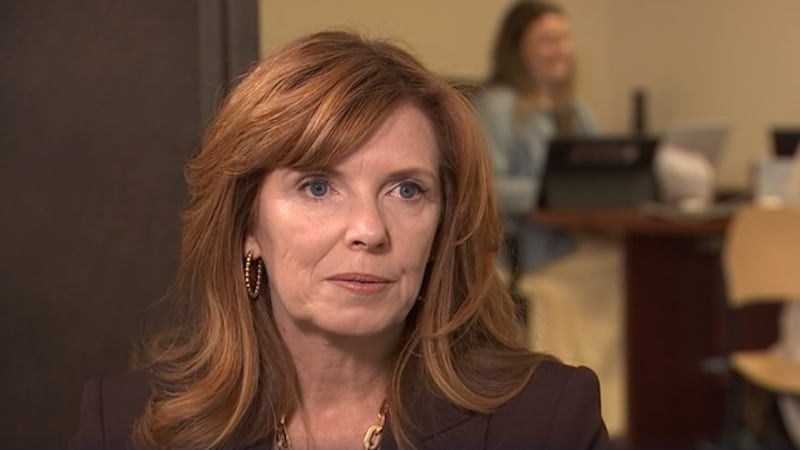
“We spend more time planning our annual vacation than we spend thinking about the last phase of our life — and we need to do that. We need to be prepared,” Annie O’Neill, an end-of-life doula, said.
O’Neill has a background and a business in geriatric care management in Ohio. As part of that, she offers her services as a death doula.
“We spend more time planning our annual vacation than we spend thinking about the last phase of our life.”
“What we try to strive for is as few regrets as possible at a very challenging time,” O’Neill said.
What end-of-life doulas do
Death doulas have existed for 15 years, originally working with hospice care.
Unlike traditional support that focuses on family members and their grief, end-of-life doulas focus on the patient.
“I believe that no good decision is ever made in a crisis,” O’Neill said. “I always try to help people stay ahead of the curve.”
O’Neill helps patients discuss pain management options, navigate care decisions and determine where and how they want to spend their final days.
“When I begin to notice signs of decline, even subtle signs of decline, I’m able to say to them, ‘You know, let’s talk about some additional support,’” O’Neill said.
Dr. Laura Hoeksema, medical director for Cleveland Clinic Hospice, said hospice care works best when patients receive services for weeks or months rather than days.
“We actually find that hospice is most beneficial for patients and their families when patients receive hospice care for weeks or months, where patients and their families really get to know our team,” Hoeksema said.
Legacy work and personal touches
Death doulas also conduct legacy work during the final phase of life, including workshops at nursing homes where patients create projects to help wrap up their lives.
O’Neill shared an example of a cemetery headstone with a fudge recipe on the back.
Some death doulas also help people write their own obituaries.
“I want to say who I am,” O’Neill said. “I don’t want somebody to sit there grieving and sad and say, ‘surrounded by her loved ones.’ Tell us who you are, how you lived. Put that in your last opportunity to speak.”
Aging Untold experts react
Sam Cradduck, a gerontologist, said she has been present with many people during their final moments. She said she always bathes and changes the clothes of those who have died.
“Because dignity doesn’t end at the final sunset,” Cradduck said. “Dignity goes on with that person.”
Dr. Rhea Rogers, a board-certified physician, said people have been afraid to discuss death for too long.
“People don’t want to talk about death, but they were very happy to talk about life,” Rogers said. “But the support is needed just as much at the end, if not more.”
Amy O’Rourke, an aging expert, noted the positive collaboration between Cleveland Clinic Hospice and death doulas.
The emerging field is opening lines of communication about mortality, Cradduck said.
“We do have mortal bodies and we will all pass away at some point,” Cradduck said. “So if it’s going to happen, we need to be talking about it. We need to be preparing and helping our families through it.”
Key takeaways
- End-of-life doulas focus on the patient
- Planning ahead prevents crisis decision-making
- Hospice care is most effective when started weeks or months before death
- Death doulas help with pain management, care decisions and legacy projects
- The field encourages open conversations about mortality and preparation
Copyright 2026 Gray Media Group, Inc. All Rights Reserved.