Rosewood Initiative builds ‘food forest’ to address child hunger in Portland
PORTLAND, Ore. (KPTV) - One in five children in Oregon and southwest Washington is facing food insecurity, according to the report. Community organizations are using a variety of strategies to address the problem, including a “food forest” being built in southeast Portland.
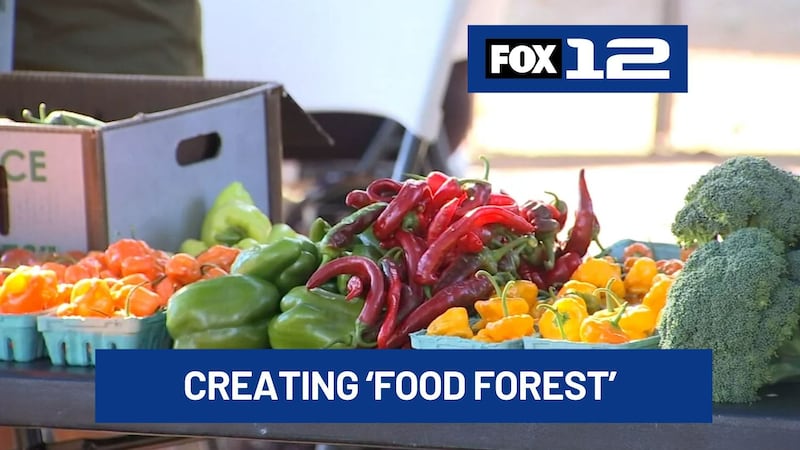
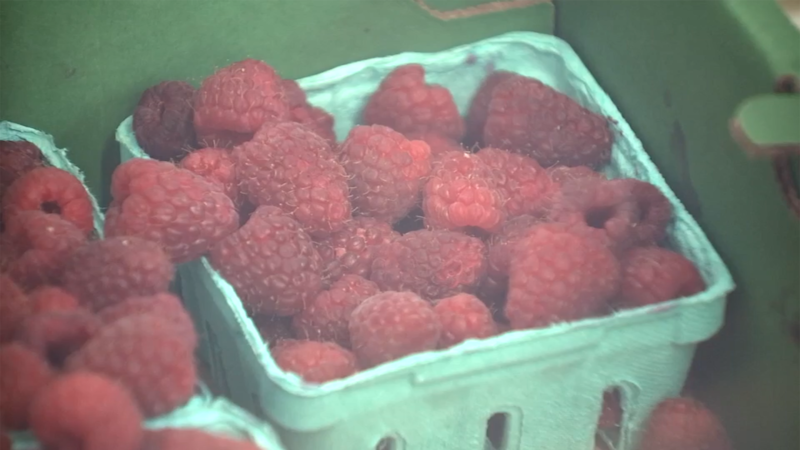
The Rosewood Initiative held a fall harvest festival to celebrate progress on the project. Not all the food at the event was grown on site.
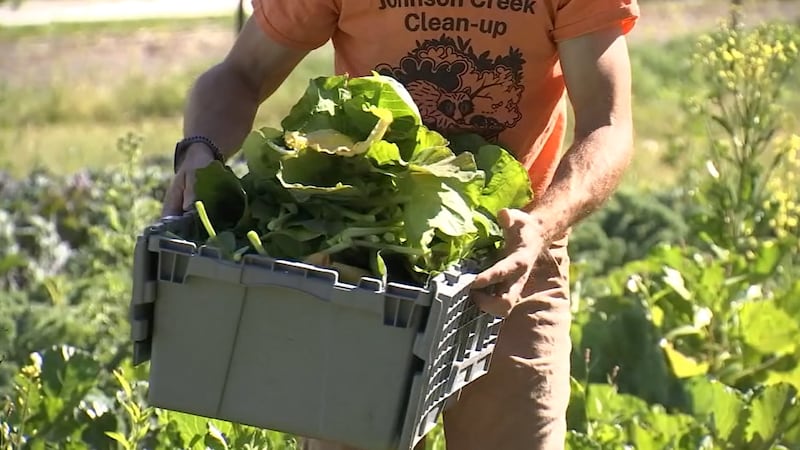
“Sundays I think they’re the biggest days where families can really come and just either harvest the fruits and vegetables that are here or plant new ones for next season,” Mary Byrd, a Rosewood Initiative representative said.
Mary Byrd has lived in Portland’s Rosewood neighborhood for 17 years and raised her three children there.
“When they were little we didn’t have any parks really. We had to go all the way down to 17th – no community gardens, no community centers,” Byrd said.
In 2022, the nonprofit Rosewood Initiative moved into the space with help from donors and the Portland Clean Energy Fund. It created a community center and is now building a food forest.
Corey Pierson, with the Rosewood Initiative, said the project uses a different growing model than traditional farming.
“Instead of growing plants in big long rows and they’re all the same plant next to each other, we’re growing a lot of different plants all in the same space so they can basically bolster each other,” Pierson said.
Pierson said this model will produce more food in a smaller space. On three-quarters of an acre, the plan is to establish fruit trees, nut trees, and other shrubs and plants that will produce year after year.
“At the end of the day we want this to be a space that is producing food for a long period of time with relatively low maintenance,” Pierson said.
Once the trees and plants on the lot reach full maturity, Pierson anticipates they’ll produce 2,000 pounds of produce a year, on average. He said this type of regenerative agriculture is gaining popularity.
“As food safety and security become more and more of a concern for us, and food affordability becomes more and more of a concern for us, people are looking for alternative ways to grow their own food,” Pierson said. “I think this is just a movement that’s gaining a lot of traction, in a really short period of time.”
Byrd said grocery costs have factored into the push for a community garden.
“Going to the grocery store it’s like $100 to just buy basic needs right? Because of the hunger crisis if we could have a community garden and cut some of that costs,” Byrd said.
Byrd said she believes the space will become a place where community members can connect, grow their own produce and work together toward eliminating food insecurity.
“Like we work here, we volunteer here, my son is actually over there volunteering at the table for check ins,” Byrd said.
For more information about Rosewood Initiative, click here.
Copyright 2026 KPTV-KPDX. All rights reserved.